
How Property Taxes Work in Texas (And How to Protest Them)
By Kristin Allan ·

If you opened your property tax notice and thought, “Wait… how did they come up with this?” — you’re not alone.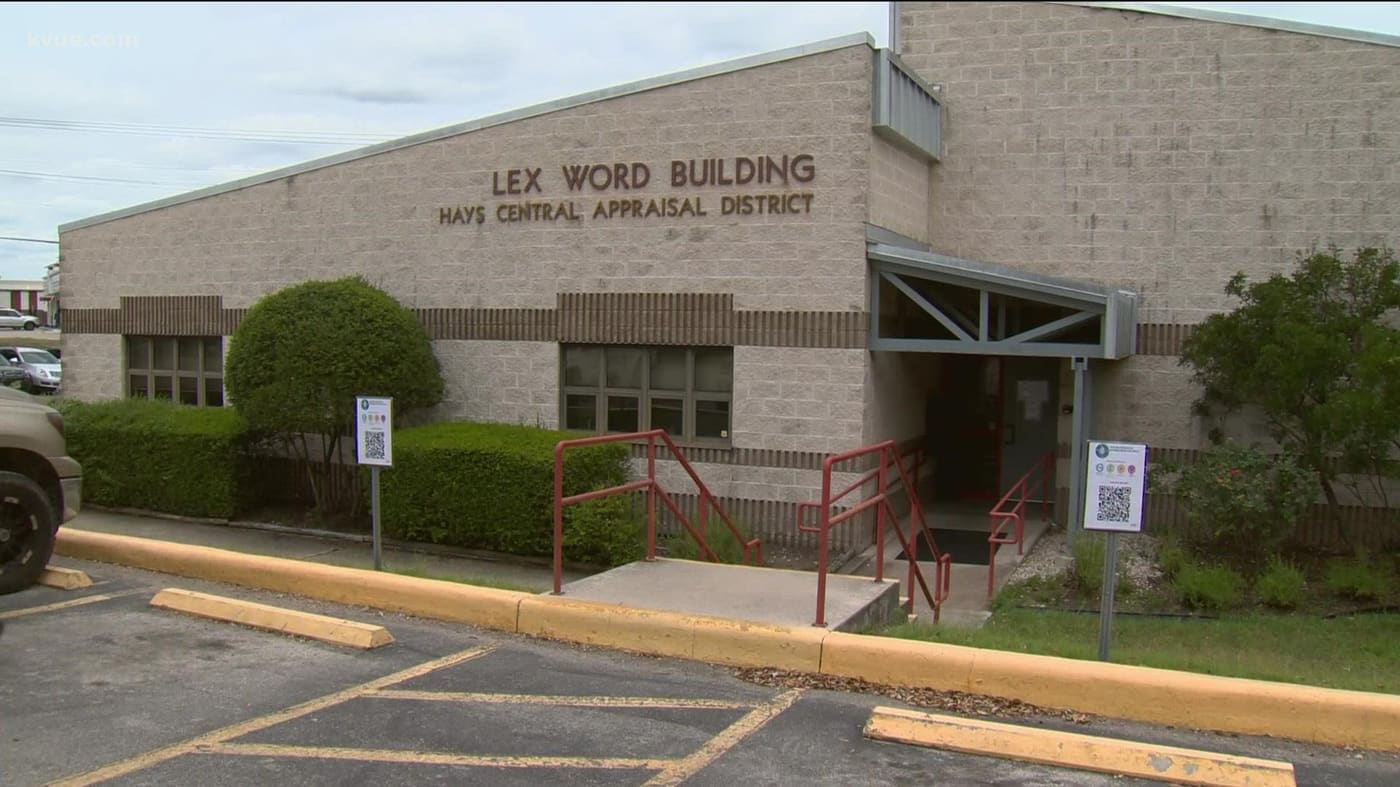
I get this question every year from clients, especially around this time. And honestly… it’s confusing if no one’s ever explained it in a simple way.
So I wanted to break it down for you—so you understand:
- what you’re actually being taxed on
- how to lower your taxes
- and when it makes sense to protest
Where to Find Your Property Tax Assessment in Hays and Travis County
If you want to protest your property taxes in Texas, the first step is knowing your assessed value—and where to find it.
Hays County (Kyle, Buda, San Marcos, etc.)
Homeowners in Hays County can find their property tax assessment here:👉 https://hayscad.com
Once on the site, you can:
- Search your property by address or owner name
- View your appraised and assessed values
- See exemptions and tax details
Travis County (Austin and surrounding areas)
Homeowners in Travis County can check their information here:👉 https://traviscad.org
From there, you can:
- Look up your property record
- Review your market and taxable value
- Check exemption status and protest options
Why This Matters
Before you file a Texas property tax protest, make sure:
- Your exemptions are applied correctly
- You compare your home to similar nearby properties
This is the foundation for building a strong protest case.
How Property Taxes Are Calculated in Texas
Property Taxes = Assessed Value X Tax Rate
This part is actually pretty simple once you see it. How to protest property taxes in Texas -
Example:
- Assessed Value: $350,000
- Tax Rate: 2.3%
Calculation: 350,000 × 0.023 = 8,050
Estimated Taxes: $8,050/year
Quick tip: you always convert the percentage to a decimal (2.3% = 0.023)
Where Do You Find Your Tax Rate?
This is something most people don’t know…
Your tax rate isn’t just one number—it’s made up of multiple things:
- school district
- city
- county
- sometimes MUD taxes
The best place to see your exact breakdown is here:
https://www.texas.gov/living-in-texas/property-tax-directory/?search=
Once you click in and choose your county, you can:
- search your address
- see every piece of your tax rate
- understand where your money is actually going
I use this with clients all the time—especially when we’re comparing neighborhoods.
What’s the Difference Between Appraised Value and Assessed Value?
This is where most people get tripped up.
Appraised Value (Market Value)
This is what the county thinks your home would sell for as of January 1st.
It’s determined by your appraisal district:
- Hays Central Appraisal District
- Travis Central Appraisal District
I always tell my clients: think of this as what your home could sell for—not what you’ll actually be taxed on.
Assessed Value (What You’re Actually Taxed On)
This is the number that really matters for your tax bill.
It includes things like:
- your homestead exemption
- over 65 exemption (if applicable)
- other exemptions
So even if your home value jumps a lot, your taxable value may not jump as much—which is a good thing.
Property Tax Exemptions (This Is Where You Save Money)
If you’re not using your exemptions, you’re probably overpaying—plain and simple.
Homestead Exemption
If this is your primary residence, you should have this.
What Homestead does:
- lowers your taxable value
- caps how much your value can increase each year
- helps keep your taxes more predictable
Over 65 Exemption
If you're over 65, you qualify for this, and it’s a big one.
- You get additional tax savings
- and in many cases, your school taxes are frozen
This can make a huge difference long-term.
One Thing Most Homeowners Don’t Know (New Rule)
There’s been a recent change that I’ve already started seeing trip people up.
You may now be required to verify your homestead exemption every 5 years.
This doesn’t mean reapplying every year—but it does mean:
- you might get a notice
- and you need to respond
If you ignore it, you could lose your exemption—and your taxes could jump.
So just keep an eye on your mail.
Hays County vs. Travis County (What I See Locally)
Since I work a lot in both areas, here’s the real-life difference I see:
Hays County
(Kyle, Buda, etc.)
- home prices are usually a bit lower than in Austin
- but you’ll often see MUD taxes
- fast growth = rising values
Travis County
(Austin)
- higher home prices
- more variation in tax rates
- sometimes lower rates—but higher values
So it’s not always as simple as “one is cheaper than the other.”
Should You Protest Your Property Taxes? How to protest property taxes in Texas
Short answer: yes, it’s usually worth looking into.
Even if your value seems “about right,” protesting can:
- help reduce your current bill
- and help limit future increases
I usually recommend looking into it if:
- you bought your home for less than the appraised value
- your home needs updates or repairs
- your value seems high compared to neighbors
Where to File Your Protest
You can do this yourself online:
- Hays County:
https://hayscad.com/property-owner-info/protests/
- Travis County:
https://traviscad.org/property-owners/protests/
The deadline is usually around May 15th.
And Just So You Know… You Don’t Have to Pay a Company
A lot of companies will charge you to protest your taxes.
But here’s the truth:
You don’t need to.
This is something I help my clients with all the time—for free.
I can:
- pull comps
- look at your value vs the market
- and tell you honestly if it’s worth protesting
No pressure—just guidance.
Final Thoughts
Property taxes are one of the biggest expenses of owning a home—but they’re also one of the few things you can actually challenge.
Once you understand:
- how your value works
- what exemptions you have
- and how to protest
You’re in a much better position to control what you pay.
Want me to take a look for you?
If you want a second opinion on your value, just send me your address.
I’m happy to run comps and give you honest feedback on whether it makes sense to protest. Send me an email here: https://www.theallanhomegroup.com/contact-1
If you have thought about selling your home and want a real evaluation, fill out our CMA form here:https://www.theallanhomegroup.com/lead-collection. I will reach out within 24/hrs
Questions about buying or selling in Hays County?
Call or text Kristin at 512-820-3084, or send us a message.